
The way Slot Scatter Symbols Operate
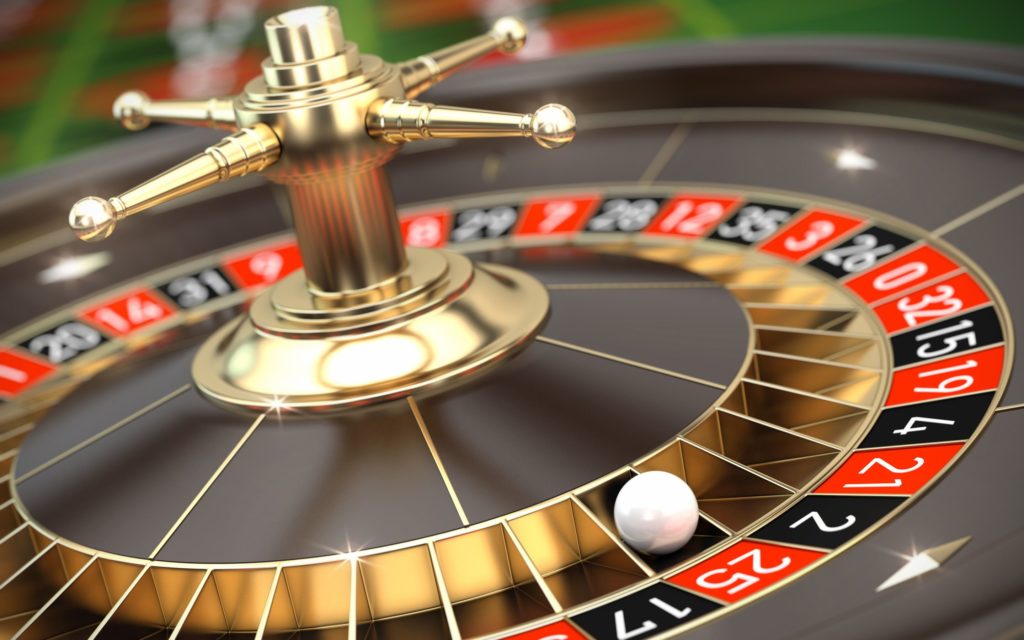
Scatter symbols are a core feature in many online slot games, including those played with modest stakes including 20p roulette variants. They let players to activate bonus rounds without having to land symbols on particular paylines. Understanding how scatters function helps players recognise when a round has been initiated and which rewards may follow. This article explains the mechanics, triggers, and payout structures that center on scatter symbols, emphasizing the view details that matter when picking or playing a slot title.
Scatter icons on multiple reel setups
Reel layouts impact how often scatter symbols show up. A five-reel, three-row game has fifteen positions, while a six-reel, four-row layout offers twenty-four. In the larger grid the chance of landing three scatters grows simply because more positions are available, yet the game may compensate by modifying the symbol distribution. Players contrasting two titles with identical scatter rules but different reel sizes will observe different trigger rates. The paytable or help screen sometimes lists the theoretical hit frequency, providing a numerical hint of how often the feature should show up.
Games that use “ways to win” instead of fixed paylines still treat scatters the same way. The scatter rewards when the required number lands anywhere, regardless of adjacent reels. This consistency allows players to transition between payline and ways-to-win formats without re-acquiring the scatter rules. However, the overall return-to-player percentage may differ between the two formats, so verifying the stated RTP remains necessary even when the scatter behaviour itself stays constant across layouts.
Some modern slots bring in variable reel heights that shift on every spin. A reel may display three symbols on one spin and five on the next, changing the total number of positions. Scatter frequency can move with these variations because the game must maintain its target RTP across all possible reel heights. Players who observe the reel height varying can count on the scatter trigger rate to adjust accordingly, even though the paytable rules remain unchanged. Observing several dozen spins in demo mode reveals whether the height variation produces noticeable differences in scatter appearance.
Bet range considerations during active scatters
Wager size affects both total value of scatter payouts as well as the cost of hitting the trigger. A 20p stake on a game that offers 100 times the stake for five scatters pays out £20 when the feature hits. Raising the stake to £1 boosts that return to £100, but also increases the cost of each spin while waiting for the trigger. Players thus balance the wish for larger scatter returns versus the additional time potentially required to hit the feature at higher stakes.
A lot of slots set a minimum and maximum total bet that applies to both base spins and free spin rounds. check here The minimum is frequently 0.20 or lower, allowing small-stake testing of scatter frequency. The maximum might reach several hundred pounds per spin on high-limit versions. Because the scatter payout scales directly with the bet, players who intend to chase the top scatter multiplier must confirm that their preferred stake sits within the permitted range before starting a session. Surpassing the maximum or dropping below the minimum will either void the spin or prevent the game from starting.
Various platforms apply different maximum stakes during free spin rounds triggered by scatters. The base game might allow a £50 total bet, but the free spins may cap the stake at £10 to control the operator’s liability. Players who usually play at the upper end of the range should verify this restriction before committing funds, because a premature scatter trigger at a high stake might result in free spins played at a lower stake than expected. Reviewing the rules screen for any stake adjustments during bonus rounds prevents this mismatch.
Risk level and RTP effects of scatter features
Scatter-triggered bonuses add to a slot’s overall volatility. A game that uses infrequent but high-value scatter payouts will show higher volatility than one that spreads returns more evenly across base game line wins. The RTP figure published by the provider already accounts for the expected value of all scatter outcomes, so two titles with identical RTPs can still seem different if one allocates more of its return in the scatter feature. Players who choose steadier results may therefore favour games where scatters pay smaller amounts more often.
Because RTP is determined over a very large number of spins, short sessions will vary from the stated percentage. A player who hits the scatter round early may achieve a return above the theoretical RTP, while another who runs the same number of spins without a trigger may see a lower figure. Tracking personal results across multiple sessions offers a more realistic sense of how the scatter feature affects individual outcomes than any single published RTP value. This approach also emphasizes whether the game’s volatility aligns with the player’s bankroll and session length preferences.
Volatility descriptors such as low, medium, or high offer a broad indication of how scatter payouts shape session swings. A medium-volatility game may place roughly half its return in the scatter feature, producing noticeable but not extreme fluctuations. A high-volatility title may direct most of its return to rare scatter events, resulting in long stretches of small or zero returns followed by occasional large payouts. Players who review both the volatility label and the scatter payout table can estimate how their chosen stake will combine with these patterns over a planned session length.
The way scatter symbols initiate free spin rounds

Free spin rounds constitute the most common bonus activated by scatter symbols. The typical requirement is three or more scatters anywhere on the reels during a single spin. Once the threshold is met, the game grants a set number of free spins, often between eight and twenty depending on the title. Some games boost the number of awarded spins when four or five scatters land, creating an additional incentive to carry on playing at the current stake. The free spins take place automatically, and the stake stays the same as the same as the triggering spin save when the rules specify otherwise.
During free spins the scatter symbol may retain its ability to award extra spins or it may change behaviour. Certain titles convert additional scatters into multipliers used to any line wins gathered during the round. Others merely add more free spins to the remaining total. Because these rules change, players should check the in-game information screen prior to beginning the bonus. Knowing whether extra scatters lengthen the round or amplify winnings permits the player to anticipate the round’s potential value and choose whether to modify the bet size prior to the trigger occurs.
Some games furthermore bring in new reel strips or symbol sets during the free spin round. The base game can hold only one scatter symbol, yet the free spins might introduce a second scatter that grants extra spins or a cash prize. These layered rules raise the complexity of tracking potential outcomes. Players who study the rules before entering the round can identify whether the new scatter substitutes for the original one or functions with it, preventing confusion when the reels stop and multiple scatter types show up simultaneously.
Evaluating scatter information before committing funds
Before putting down real-money bets, players can review the paytable, help screens, and game rules to collect all scatter-related data. The paytable displays the symbol, its payout values, the number necessary to trigger each feature, and any multipliers or additional free spins granted. The rules screen details whether scatters pay in both base game and free spins, whether they substitute for other symbols, and whether they must appear on consecutive reels. Collecting this information removes surprises during play and facilitates informed stake selection.
Demo versions provided by many platforms allow players to observe scatter frequency without financial risk. Running a set number of spins, such as 500, and recording how often three or more scatters appear offers a practical estimate of trigger rate. Matching that observed frequency with the game’s stated RTP and volatility descriptors assists confirm whether the title aligns with the player’s expectations. Once the data matches the intended playing style, the player can move to real-money spins with a clearer understanding of how scatter symbols will affect session results.
Some review sites publish independent test results that feature the number of spins required to trigger the scatter feature across thousands of recorded spins. These figures supply a larger sample than a single demo session and can uncover whether the game’s published hit frequency corresponds to actual performance. Players who cross-reference multiple sources lower the chance of picking a title whose scatter behaviour varies significantly from expectations, encouraging more consistent bankroll planning over repeated sessions.
Multipliers attached to scatter icons
Some slots attach multipliers right to the scatter symbol instead of wild icons or bonus icons. When 3 or more scatters show up, the game multiplies the total bet or the line win by a specified factor. The multiplier might be fixed, like 2x or 5x, or it might scale with the number of scatters, rising from 2x for three symbols to 10x for five. This structure builds a separate payout layer distinct from the free spin round and may produce a return even when the free spin feature is not triggered.
Multipliers on scatters interact with the game’s volatility. A title that offers a 10x scatter multiplier but activates it seldom will produce larger but less regular wins relative to a game that grants a 2x multiplier more often. Players who monitor their results over several hundred spins can estimate whether the multiplier frequency suits their preferred risk level. The paytable will show the exact multiplier values, so checking that screen before allocating funds is a sensible step that clears uncertainty about the size of potential scatter payouts.
The multiplier can also affect wins produced by other symbols during the same spin. In certain titles the game first calculates all line wins, then multiplies the total by the scatter multiplier before adding any separate scatter payout. This combined calculation can transform a modest line win into a considerable return when the multiplier is high. Players profit from understanding whether the multiplier affects only the scatter payout or every win on the screen, because the difference modifies the expected value of each spin that includes scatters.
Scatter signs versus regular payline symbols
Scatter signs are different from standard symbols because they do not need to appear on one payline to generate a result. In most titles the line symbols must align in a left-to-right order on set or changeable lines, yet scatters pay regardless of where they land on the spinning reels. This contrast changes how players evaluate each spin. A player observing the reels finish spinning will notice that three or more scatters can give a payout or a bonus cbc.ca even when the symbols land in separate positions. The divide between scatter and line-based symbols is therefore a key factor when reading a game’s paytable prior to placing the opening stake.
The payout table typically lists the scatter symbol with its own payout table, showing returns for two, three, four, or five appearances. Since the symbol pays irrespective of position, the listed amounts are frequently higher than those for regular symbols of comparable rarity. Players can apply this information to determine whether the game’s scatter frequency justifies the picked bet level. In practice, a slot that promotes a scatter paying 100x the total stake for five icons will grant that payout whenever five scatters land, irrespective of the lines that were active during that spin.
Another difference appears in how the game engine calculates signs. Standard symbols are checked only on active lines, therefore a player who has selected ten of twenty lines will fail to see any icons that land on the inactive lines. Scatter signs avoid this restriction entirely. Their payout is calculated once the reels stop, and the game just tallies how many scatters are present anywhere on the grid. This calculation method means the stake multiplier shown in the paytable is applied uniformly, whether the player has turned on one line or all available lines.
- Rich Royal Casino offre des retraits rapides, des bonus importants et un loisir ininterrompu en Belgique.
- Betzino Casino : Les Retours des Joueurs et Statistiques
- Auszahlungen und mobile App von King maker in der aktuellen Version
- Precisione dai trend di mercato allanalisi con https://diva-spin.it.com per risultati concreti e duraturi
- Spinmacho Casino : Les jeux avec les meilleurs rendements
Bài viết cùng chủ đề:
-
www walya bet guide – registration, welcome bonus, payment methods & safe play for Ethiopian players
-
Waliya Betting Bet Review Overview – Ethiopia’s Top Casino & Sportsbook
-
Waliya Betting Agent Security Guide – Safe Play Tips for Ethiopian Users
-
Guía de seguridad del código promocional casino Nano para jugadores en Chile
-
Código promocional Nano Casino: guía de seguridad para jugadores en Chile
-
Οδηγός ασφαλείας Pistolo App
-
pistolo trustpilot – Οδηγός για Έλληνες: bonus, πληρωμές, ασφάλεια & αξιοπιστία
-
Pistolo Casino κριτικές – Πλήρης οδηγός με bonus, καταθέσεις, αναλήψεις & ασφάλεια
-
FreshBet review – step‑by‑step registration guide for UK players
-
Fresh Bet Promo Code: What to Know
-
How to Claim Fresh Bet Promo Code for Existing Customers – No Deposit Bonus & Free Spins
-
Fresh Bet promo code no deposit bonus – registration steps guide
-
Freshbet Review: Quick Registration Steps for UK Players
-
Jackpot Raider Bonus Code No Deposit: Full Guide, Wagering Rules & Mobile Play
-
Jackpot Raider Casino Login No Deposit Bonus – Full Review & Claim Guide for UK Players
-
nano casino online: métodos de pago, depósitos y retiros rápidos en Chile